Resilience
Handle setbacks without letting them define your identity. Build emotional regulation, distress tolerance, flexibility, and recovery.
RECOVERBuild resilience. Change your trajectory.
Psychiatry for adolescents and young adults navigating fear, identity, relationships, resilience, and the transition into adulthood.
Free 4-minute educational check-in. Answers stay on your device. Private telehealth practice in development.
Young people do not need a promise that life can be made painless. They need the capacity to feel difficult things without surrendering authorship of their lives.
Fear can speak. Shame can speak. Other people can speak. You still get the final vote.
Psychiatric care can treat symptoms when they are present while also helping young people develop internal skills they can carry into adulthood.
Handle setbacks without letting them define your identity. Build emotional regulation, distress tolerance, flexibility, and recovery.
RECOVERUnderstand your values, strengths, needs, and the person you are becoming without outsourcing your self-worth to grades, peers, or algorithms.
BECOMENavigate family, friendship, dating, belonging, boundaries, and conflict with greater clarity and less fear.
CONNECTDevelop agency around school, work, motivation, technology, ambition, and the uncertainty of what comes next.
CHOOSECare is designed for adolescents and young adults who may be dealing with anxiety, depression, ADHD, perfectionism, burnout, relationship stress, school pressure, major transitions, or simply the question: Who am I becoming?
A different choice today can create a different life tomorrow.
They need the skills to navigate an imperfect one.
Parents deserve support too. The work can include helping families understand when to step in, when to step back, how to communicate through conflict, and how to support autonomy without disappearing.
Adolescents need room to speak honestly. Parents need clear expectations. The treatment relationship should establish from the beginning what is private, what may be shared, how parents can participate, and when safety concerns require a different response.
A thoughtful assessment of symptoms, development, family context, school, relationships, sleep, strengths, stressors, and goals.
Follow-up care may include psychotherapy-informed work, behavioral strategies, family collaboration, and medication when clinically appropriate.
Special attention to moments when life changes quickly: high school, college, leaving home, new relationships, and early adulthood.
Potential areas of care may include anxiety, depression, ADHD, adjustment difficulties, school stress, perfectionism, burnout, relationship concerns, and other psychiatric conditions following appropriate evaluation.
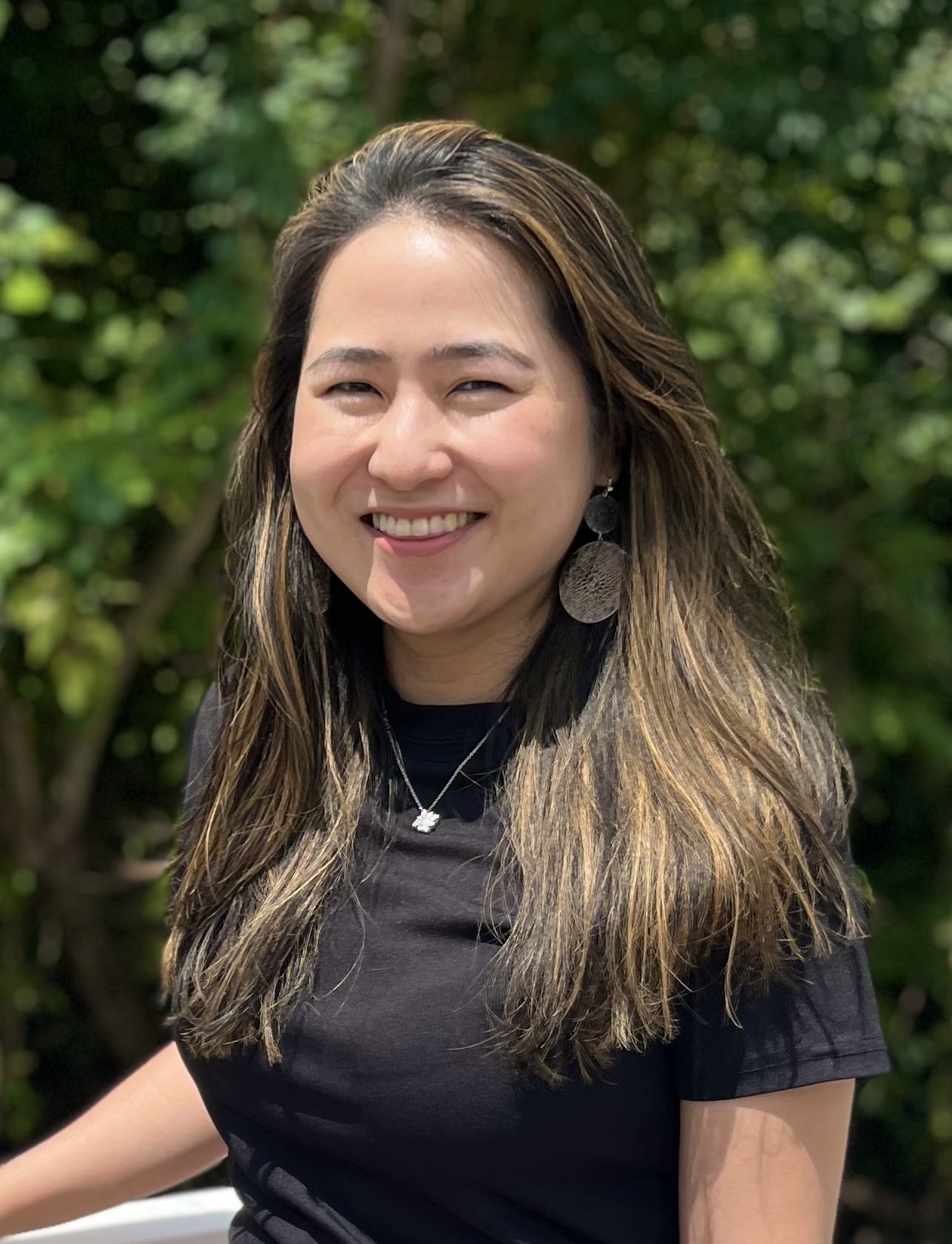 Photo: UC San Diego Department of Psychiatry
Mindy Kim, MD is a California-licensed physician and Child & Adolescent Psychiatry fellow at UCSF. Her clinical interests center on adolescence, emerging adulthood, resilience, identity development, relationships, cultural humility, and the transition into independent life.
Born in South Korea and raised across Canada and Michigan, Dr. Kim studied Psychology at Amherst College, where she investigated relational aggression among youth. She earned her MD from Wayne State University School of Medicine, completed her first year of psychiatry residency at UPMC Western Psychiatric Hospital, and continued in UC San Diego’s Community Psychiatry track before beginning subspecialty fellowship training at UCSF.
Her professional work has included community psychiatry, immigrant mental health, Asian American mental health, psychotherapy, integrative psychiatry, advocacy, identity and belonging, and the social factors that shape youth mental health. She has contributed to Stanford CHIPAO in Research & Development and previously served as the Medical Student Resident Committee liaison to the AACAP Asian American Caucus. She has also been recognized through the Gold Humanism Honor Society, the AACAP Educational Outreach Program, and UC San Diego’s JoAnn and Igor Grant Endowed Prize for Professional Excellence.
Her philosophy is simple: psychiatry should not only ask what is wrong. It should also help young people understand what is happening, what matters to them, and what skills will help them move forward.
How to Build Resilience, Face Fear, and Change the Trajectory of Your Life.
The book explores how young people can face fear without obeying it, separate identity from shame and failure, belong without abandoning themselves, find meaning, and make choices that compound into a different future.
Fear gets a voice. It doesn’t get the final vote.
The practice is currently in development. Scheduling and secure intake information will be added when the practice opens.
No. This is a physician-led psychiatric practice in development. The style may be practical, collaborative, and growth-oriented, but medical care remains medical care and is provided according to applicable clinical and legal standards.
No. Treatment is individualized. Medication may be recommended when clinically appropriate, but psychiatric care can also include education, behavioral strategies, psychotherapy-informed work, family collaboration, and other interventions.
Consent, confidentiality, parental involvement, location verification, and safety planning depend on the patient’s age and circumstances. These policies will be clearly reviewed before treatment begins.
No. This website is not monitored for emergencies and does not provide crisis services. If you or someone else may be in immediate danger, call 911 or go to the nearest emergency department. In the U.S., you can also call or text 988 for crisis support.